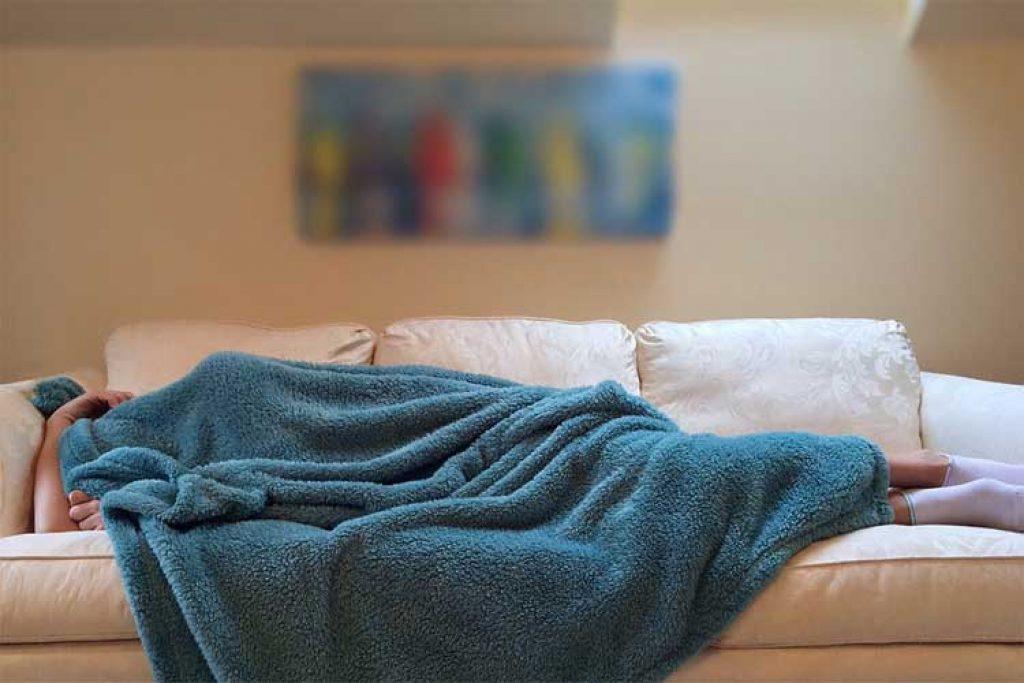
Myths and facts about snoring
Snoring is very inconvenient, and there is a lot of misinformation about what can alleviate or worsen it. There are some solutions, but they are not what you would expect. Let’s find out some facts and myths about snoring.
The facts
1. Hormone therapy can reduce snoring
Snoring affects women just as much as men, and the problem may worsen after women reach menopause. When a woman is in the postmenopausal period, she has a lower level of the hormones estrogen and progesterone. Rising those levels could help with snoring.
2. Language exercises are a good solution
Researchers found in a 2013 study that a simple set of exercises can dramatically reduce snoring in patients. The research, published in the journal CHEST, found that in patients with primary snoring or mild apnea, exercises - mouth and tongue. This will reduce your snoring by 36% and snoring power by 59%.
In those exercises, you will need to tip the tongue against the palate and move it 20 times. Another way to strengthen the tongue is to suck the tongue upwards, pressing the whole tongue against the palate 20 times.
3. Singing helps
One study found out that singing can reduce snoring. This is because it is believed that a lack of tone in the throat muscles may be the main cause of the disease. Singing will help you to strengthen the muscles in your soft palate and upper throat which can lead to snoring if they become too weak.
4. Snoring can bring an erectile dysfunction
Several studies have found that men who snore are more likely to have erectile problems. Interestingly, 69 percent of male participants who has a problem with snoring have a problem with erectile dysfunction.
5. Hay fever increases snoring
An allergic reaction can cause many problems, but also, can cause an itchy throat, mouth, nose, and ears, and sneezing. For this reason, it tends to make snoring worse.
Myths
1. A glass of alcohol helps
It is a popular belief that a glass of alcohol at night can help you fall asleep more easily. However, there's no indication that glass before bed will help it's likely to have the opposite effect. Alcohol has muscle-relaxing properties and drinking four to five hours before bed can make matters worse because it reduces resting muscle tone in the back of the throat.
2. Sleeping pills help
Sleeping pills will help you to sleep, but they will not help you with snoring.
3. Sleeping on my back will help?
Sleeping on the back can help you with some health problems, but this will not help you with snoring. Sleeping on your back is believed to help the spine, but it also means the tongue is more likely to fall back into the mouth and block the airway. In the end, this can cause a problem.
4. Surgery is the only way to treat apnea
Sometimes, the only way to successfully treat sleep will be surgery. However, this only applies to special cases, such as a child whose airway is blocked by large tonsils.